
Ice Dams Explained: What They Are, Why They’re Dangerous, and How to Stop Them
Posted by American Pressure Inc on 6th Jan 2026
Ice Dams Explained: What They Are, Why They’re Dangerous, and How to Stop Them
Ice dams are one of the most common and costly winter problems faced by homeowners, property managers, and commercial building owners in cold climates. While they may look harmless from the ground, ice dams can quietly cause thousands of dollars in roof, insulation, and interior damage if left untreated.
This guide explains what ice dams are, how they form, the damage they cause, and the safest ways to prevent and remove them, including why professional steam removal is widely considered the gold standard.
What Is an Ice Dam?
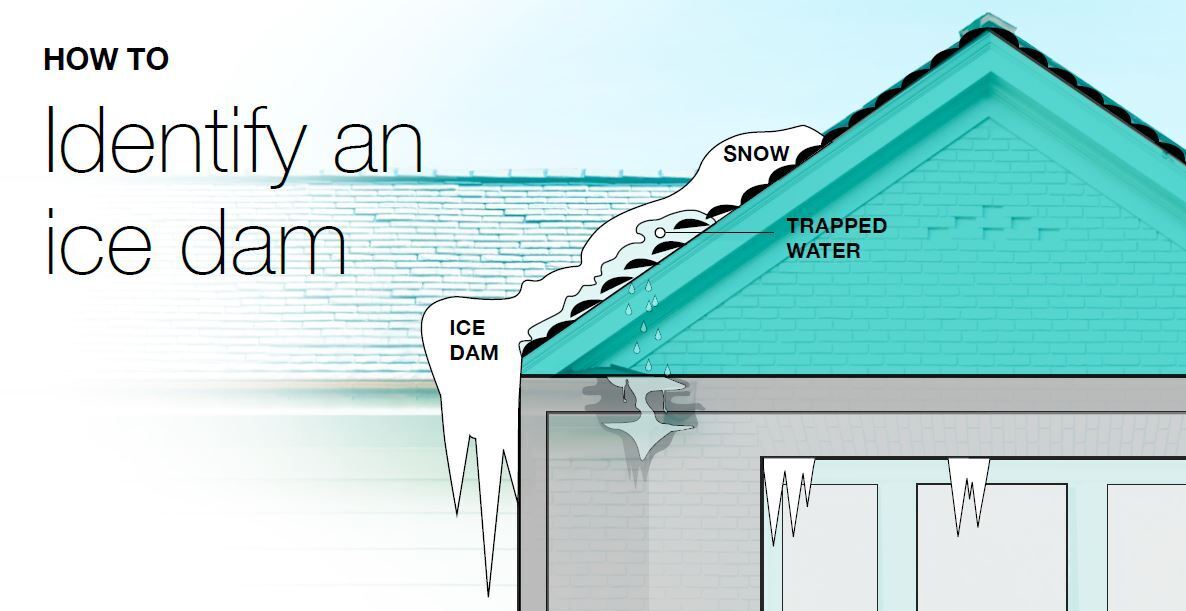
An ice dam is a ridge of ice that forms along the edge of a roof, typically near the eaves. It prevents melting snow from draining off the roof properly.
When this happens, water backs up behind the ice dam and can seep:
- Under shingles
- Into roof decking
- Behind siding
- Into walls, ceilings, and insulation
Unlike typical winter snow buildup, ice dams trap water where it shouldn’t be, turning a roof into a slow-leaking system.
How Do Ice Dams Form?
Ice dams form because of temperature differences across the roof, not simply because of cold weather.
Step-by-Step Ice Dam Formation
- Heat escapes from the building (through poor insulation, air leaks, or attic heat)
- Snow on the upper roof melts from underneath
- Meltwater flows down toward the colder eaves
- Water refreezes at the roof edge, forming ice
- The ice ridge grows, trapping more meltwater behind it
This freeze–thaw cycle can repeat daily during winter.
What Causes Ice Dams?
Ice dams are usually the result of building conditions, not weather alone.
Common Causes Include:
- Poor attic insulation
- Air leaks around vents, lights, and attic access points
- Inadequate roof ventilation
- Complex rooflines (valleys, dormers, flat sections)
- Heat-producing equipment near roof areas
Even newer buildings can experience ice dams if insulation or ventilation is improperly installed.
Why Ice Dams Are a Serious Problem
Ice dams are more than just an inconvenience, they can cause significant structural and financial damage.
Potential Damage from Ice Dams
- Roof leaks and rot
- Mold growth inside walls and ceilings
- Damaged insulation (loss of R-value)
- Stained ceilings and drywall collapse
- Peeling paint and warped trim
- Gutter and fascia damage
According to insurance industry data, water damage from ice dams is one of the leading winter-related claims in northern states.
Common Ice Dam Myths
“Ice dams only happen on old houses”
False. Ice dams can occur on any building with heat loss and snow accumulation.
“Cold weather causes ice dams”
Not exactly. Ice dams form because of uneven roof temperatures, not just freezing air.
“Chipping ice off the roof solves the problem”
This often creates more damage and can shorten roof life.
How NOT to Remove Ice Dams
Many common ice dam removal methods are dangerous or destructive.
Avoid These Methods:
- Hammering or chiseling ice (damages shingles)
- Using salt or calcium chloride (corrosive to roofing)
- Pouring hot water on the roof
- Pulling ice off gutters
These approaches may temporarily remove ice but often cause hidden roof damage that leads to future leaks.
The Safest Way to Remove Ice Dams: Steam
Professional low-pressure steam removal is widely regarded as the safest and most effective ice dam removal method.
Why Steam Works
- Low pressure protects shingles
- 290° steam melts ice without impact
- Minimal water runoff
- No chemicals or salts
- No roof penetration or prying
Steam melts ice gradually, allowing water to drain properly without forcing it under roofing materials.
Why Professionals Use Purpose-Built Steam Equipment
Not all steamers are created equal. Ice dam removal requires equipment designed to:
- Operate in sub-zero temperatures
- Deliver consistent steam through hundreds of feet of hose
- Remain mobile and safe on snowy surfaces
The Arctic Steamer, developed by American Pressure, was the first machine designed specifically for ice dam removal, setting the industry standard for safety and reliability.
Learn more about professional ice dam steaming equipment here:
? https://americanpressureinc.com/arctic-steamer/
How to Prevent Ice Dams Long-Term
While removal addresses immediate issues, prevention reduces future risk.
Ice Dam Prevention Best Practices
- Improve attic insulation
- Seal air leaks (top plates, attic hatches, duct penetrations)
- Upgrade attic ventilation
- Remove excess roof snow safely
- Address heat sources near rooflines
A combination of proper building envelope design and professional removal when needed provides the best protection.
When to Call a Professional
You should contact a professional ice dam removal service if:
- Water is leaking inside
- Ice is bonded tightly to shingles
- Ice extends several feet up the roof
- Gutters are frozen solid
- Multiple roof sections are affected
Early intervention can prevent costly repairs.
Ice dams are a common winter problem, but they are preventable, manageable, and removable when handled correctly.
Understanding how ice dams form, the damage they cause, and why steam is the safest removal method helps property owners make informed decisions that protect their buildings.
For professionals looking to offer ice dam removal services or upgrade their equipment, American Pressure continues to lead the industry with purpose-built solutions designed for winter conditions.
If you’re serious about protecting roofs and reputations: do it the right way.