
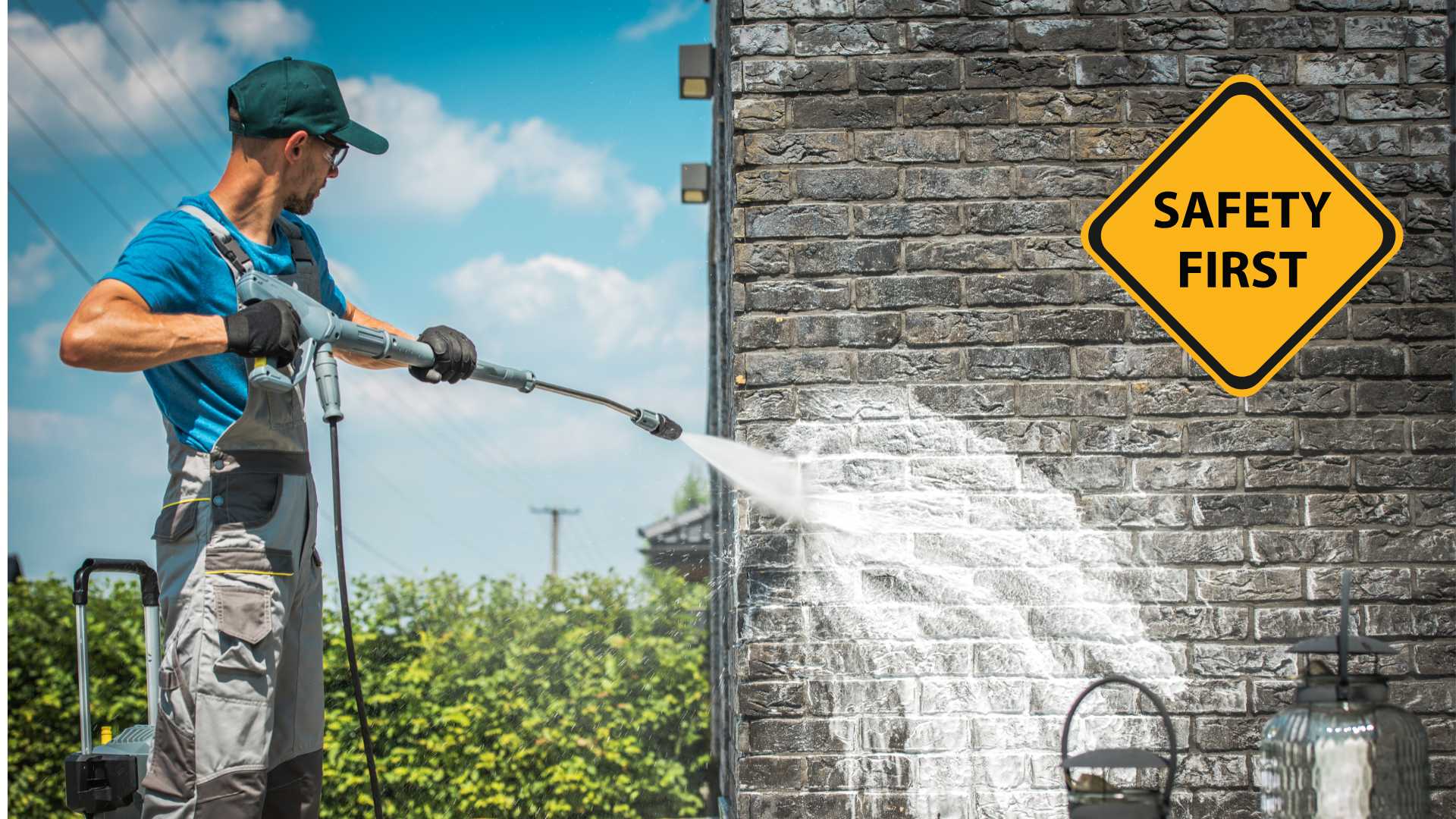
Pressure Washing Safety Tips for Businesses
Posted by American Pressure Inc on 4th Dec 2025
Pressure washing is a vital tool for many businesses—from property management and commercial cleaning to fleet maintenance and industrial facilities. However, while pressure washers can make jobs faster and more efficient, they also pose serious safety risks if not used properly. Understanding pressure washer safety is essential to protect your employees, prevent property damage, and extend the life of your equipment.
For professional-grade pressure washers and accessories, explore American Pressure.
Why Pressure Washer Safety Matters
Commercial pressure washers deliver water at extremely high pressures, often exceeding 3,000 PSI. At this level, even a small mistake can cause injuries, including lacerations, punctures, or chemical burns.
Additionally, businesses often use cleaning solutions with strong chemicals that can irritate skin, eyes, or lungs. Slippery surfaces created during cleaning also increase the risk of slips and falls. According to OSHA, pressure washer incidents account for thousands of workplace injuries in the U.S. every year, many of which are preventable with proper safety measures.
Key Pressure Washing Safety Tips
1. Wear Proper Personal Protective Equipment (PPE)
Using the right PPE is the first line of defense against injuries. Essential items include:
-
Safety goggles or face shields to protect eyes from debris and water spray
-
Waterproof gloves and boots to prevent burns and chemical exposure
-
Hearing protection for loud commercial-grade machines
-
Long sleeves and pants to protect exposed skin from high-pressure sprays and chemicals
Proper PPE reduces the likelihood of accidents and ensures your team can work efficiently.
2. Conduct a Risk Assessment Before Starting
Before any pressure washing job, assess the environment and potential hazards:
-
Inspect the area for trip hazards, electrical cords, or fragile surfaces.
-
Identify if chemicals or hot water will be used and prepare PPE accordingly.
-
Check weather conditions, as wet, icy, or windy conditions increase risk.
A quick risk assessment can prevent costly injuries and property damage.
3. Use the Correct Equipment
Choosing the right pressure washer is critical for both safety and efficiency. Consider these points:
-
Belt drive vs direct drive: Belt drive washers absorb shocks and reduce pump stress, making them ideal for heavy-duty, daily use. Direct drive units are compact and cost-effective for light to moderate work.
-
Ensure hoses, nozzles, and tips are rated for your washer’s PSI.
-
Inspect equipment before each use to detect worn or damaged parts.
High-quality equipment paired with the correct accessories enhances safety and reduces downtime.
4. Maintain Safe Distances and Angles
High-pressure water is extremely powerful. Following these guidelines can prevent injuries:
-
Hold the nozzle at least 6–12 inches from surfaces.
-
Never aim the pressure washer at people, pets, or electrical outlets.
-
Use surface cleaners for flat areas to reduce slips and streaking.
Maintaining proper angles also ensures the surface is cleaned evenly without damaging materials.
5. Handle Chemicals Safely
Cleaning solutions are often necessary for commercial jobs but can be hazardous if mishandled. Best practices include:
-
Read labels and follow manufacturer instructions carefully.
-
Avoid mixing chemicals unless explicitly approved.
-
Store chemicals in clearly labeled containers and away from unauthorized personnel.
Safe chemical handling minimizes health risks and prevents accidental damage to equipment or surfaces.
6. Train Your Team
Even with the right equipment, untrained employees are at risk. Effective training should include:
-
Hands-on instruction for operating the pressure washer safely
-
Emergency procedures for equipment failure or accidents
-
Encouragement to report unsafe practices immediately
Regular training ensures your team is prepared and reduces the likelihood of accidents on the job.
Additional Safety Considerations
-
Electric Pressure Washers: Always use grounded cords and GFCI outlets to prevent electrical hazards.
-
Hot Water Pressure Washers: Monitor water temperatures to avoid burns.
-
Maintenance: Regularly replace worn belts, hoses, and nozzles to prevent malfunctions.
Consistent attention to equipment condition and proper operation safeguards both employees and property.
Conclusion
Safety should always be the top priority when using commercial pressure washers. By following these pressure washer safety tips, you can protect your team, prevent property damage, and maximize the efficiency of your cleaning operations.
Investing in high-quality equipment and proper employee training pays off in both safety and productivity. Explore our professional-grade pressure washers today at American Pressure to find the right solution for your business.
FAQ
Q1: What is the safest type of pressure washer for commercial use?
Both belt drive and direct drive washers are safe when used correctly. Belt drive systems are ideal for heavy-duty, high-frequency use due to reduced pump stress and durability.
Q2: How far should I hold the nozzle from a surface?
Maintain a distance of 6–12 inches to avoid injuries and prevent damage to surfaces.
Q3: Do I need PPE for every pressure washing job?
Yes, proper PPE is essential for all jobs, regardless of washer type or pressure level.
Q4: Can chemicals be used safely with pressure washers?
Yes, if you follow the manufacturer’s instructions and do not mix chemicals unless approved.
Q5: Where can I find commercial pressure washers for my business?
Visit American Pressure to explore our full range of professional-grade options.